

7 Signs It’s Time to Replace Your Home’s Windows

Your windows do more than let in natural light. They play an important role in your home's comfort, energy efficiency, appearance, and protection from the elements.
But how do you know when your existing windows have reached the end of their useful life?
If your windows are difficult to operate, letting in drafts, showing condensation, or simply no longer performing the way they should, it may be time to consider replacement windows.
Here are seven common signs that your home's windows may be ready for an upgrade.
1. Your Windows Are Difficult to Open or Close
Windows should be relatively easy to operate. If you have to force a window open, struggle to close it, or find yourself avoiding certain windows because they're difficult to use, that's a sign something isn't working properly.
Over time, windows can become difficult to operate because of:
Warped or damaged frames
Worn-out hardware
Shifting or settling around the window opening
Moisture damage
Age-related deterioration
A window that no longer opens and closes properly can also make it more difficult to ventilate your home and may create concerns around safety and security.
If your windows have become frustrating to operate, replacement windows can provide smoother operation and improved functionality.
2. You Feel Drafts Around Your Windows
Do certain rooms in your home always seem colder in the winter or warmer in the summer?
Drafts around your windows could be part of the problem.
Older or poorly performing windows can allow unwanted air infiltration around the frame, sash, or other components. The U.S. Department of Energy notes that minimizing air leakage through windows can improve comfort by reducing drafts and condensation.
A simple way to check for drafts is to close and lock the window and carefully feel around the edges of the frame for noticeable air movement.
You may also notice:
Cold air near windows during the winter
Warm air entering around windows during the summer
Rooms that are consistently uncomfortable
Heating or cooling systems running more frequently
Curtains or blinds moving when the window is closed
Drafts don't automatically mean you need to replace every window in your home. However, if your windows are older and you're experiencing multiple performance problems, it may be worth having a professional evaluate them.
3. You Notice Condensation or Fog Between the Glass Panes
Seeing some condensation on your windows doesn't necessarily mean your windows are failing. Interior condensation can sometimes be related to humidity levels inside the home, while exterior condensation can actually occur on efficient windows under certain weather conditions.
However, condensation or fogging between the panes of an insulated glass window is different.
This can indicate that the seal between the glass panes has failed, allowing moisture to enter the space between them.
Signs to watch for include:
Persistent fogging between panes
Hazy-looking glass
Moisture trapped inside the window
Reduced visibility through the glass
Condensation that doesn't disappear with normal cleaning
Once the seal of an insulated glass unit fails, replacing the affected window or glass unit may be necessary.
If you're seeing foggy windows throughout your home, it's worth having them inspected to determine whether the problem is isolated or part of a larger issue.
4. Your Energy Bills Are Higher Than Expected
Your windows can have a significant impact on your home's energy performance.
Older windows may provide less insulation than today's high-performance replacement windows, particularly if your home still has older single-pane windows or aging double-pane units.
The U.S. Department of Energy recommends looking at factors such as U-factor, solar heat gain coefficient (SHGC), and air leakage when evaluating energy-efficient windows. Proper installation is also important—even an energy-efficient window can perform poorly if it isn't installed correctly.
If you've noticed that your home is becoming harder to heat or cool, consider whether your windows may be contributing to the problem.
Replacing outdated windows with modern, energy-efficient options can help improve:
Indoor comfort
Insulation
Temperature consistency
Air leakage performance
Overall energy efficiency
5. Your Windows Show Visible Damage or Deterioration
Sometimes the signs that it's time for replacement are impossible to miss.
Take a close look at your window frames, glass, trim, and surrounding areas. Cracked glass, damaged frames, warping, or deterioration can affect both the appearance and performance of your windows.
Look for:
Cracked or broken glass
Warped frames
Cracked or deteriorating materials
Soft or damaged areas around the frame
Peeling or damaged finishes
Gaps around the window
Signs of moisture damage
Water infiltration around a window can be particularly concerning. Water stains, bubbling paint, warped materials, or persistent moisture near the window may indicate that the window or surrounding area isn't adequately protecting your home.
If you notice significant deterioration, don't wait for the problem to become more extensive.
6. Outside Noise Is Making Its Way Into Your Home
Can you hear every passing vehicle, barking dog, or neighborhood activity from inside your home?
While replacement windows aren't designed to eliminate all outside noise, modern window systems can help improve the overall sound environment of a home.
Older windows with worn seals, thin glass, or poor insulation may allow more outside sound into your living spaces.
If your windows are already showing other signs of age—such as drafts, condensation, difficult operation, or visible deterioration—noise may be another indication that your windows aren't performing as well as they could.
For homeowners who live near busy roads or in active neighborhoods, improved window performance can make indoor spaces feel more comfortable and peaceful.
7. Your Windows Look Outdated or No Longer Fit Your Home
Sometimes your windows are still functional, but they're simply no longer the right fit for your home.
Older windows can make an otherwise updated home look dated. If you're already investing in exterior improvements, new windows can be an opportunity to improve your home's appearance while addressing performance concerns at the same time.
Replacement windows can help refresh your home's:
Exterior appearance
Curb appeal
Interior style
Natural light
Overall design consistency
Today's replacement windows are available in a variety of styles, including double-hung, single-hung, casement, awning, sliding, picture, bay, and bow windows.
The right choice depends on your home's architecture, the room where the window is located, and how you want the window to function.
When Should You Replace Your Windows?
There isn't one specific age when every home needs new windows.
Instead, homeowners should pay attention to how their windows are performing.
If you're experiencing several of the following problems at the same time, it may be a good time to consider replacement:
Drafty windows
Difficulty opening or closing windows
Condensation between glass panes
Rising or inconsistent energy usage
Visible frame or glass damage
Water infiltration
Excessive outside noise
Outdated appearance
Age can be an important factor, but performance is often the better indicator. Many windows can last for decades, depending on their material, installation, maintenance, and exposure to the elements.
What Are the Benefits of Replacement Windows?
Replacing older windows can do more than improve the appearance of your home.
Modern replacement windows can provide:
Improved Energy Efficiency
Better-performing windows can reduce unwanted air leakage and improve insulation, helping create a more comfortable indoor environment.
Better Indoor Comfort
Replacing drafty or poorly insulated windows can help reduce uncomfortable temperature differences from room to room.
Easier Operation
New windows are designed for smooth opening, closing, locking, and—in many styles—easier cleaning.
Improved Curb Appeal
New windows can give your home's exterior a cleaner, more updated appearance.
Better Overall Performance
Modern window systems can offer improvements in insulation, weather resistance, ventilation, and sound control.
What Should You Look for in Replacement Windows?
If you've decided that it's time to explore replacement windows, don't choose based on appearance alone.
Consider:
Glass package: Double-pane options can provide improved insulation compared with older single-pane designs.
Energy performance: Look at U-factor, SHGC, and air leakage ratings when comparing products.
Window style: Choose a style that works for both your home's architecture and how you use the room.
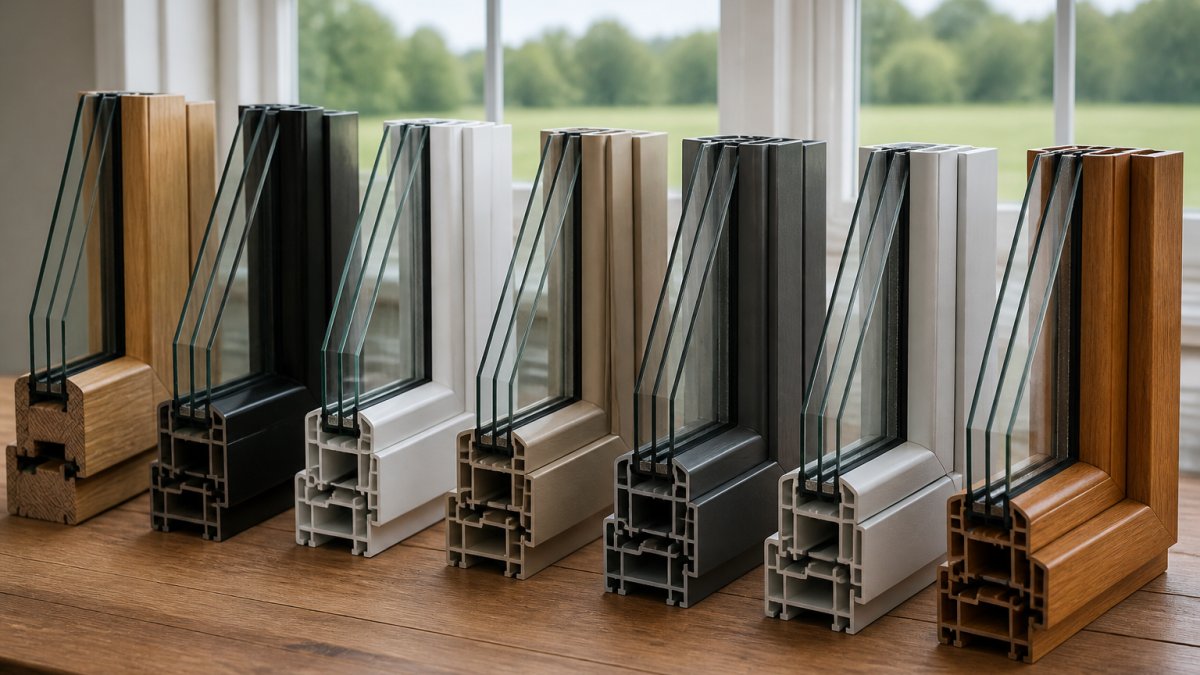
Frame construction: Consider durability, insulation, maintenance, and appearance.
Installation: Proper installation is essential for achieving the performance you're expecting from your new windows.
At Xperienced Home Improvements, we install high-performance Regency Plus replacement windows in a variety of styles, including double-hung, single-hung, casement, awning, bay, and other configurations. Our goal is to help homeowners find windows that balance comfort, efficiency, durability, and style.
Ready to Replace Your Home's Windows?
If your windows are drafty, difficult to operate, fogging between the panes, visibly deteriorating, or simply outdated, it may be time to explore your replacement options.
Xperienced Home Improvements provides professional window replacement services for homeowners throughout Southeastern Pennsylvania. As a veteran-owned company, we focus on quality products, experienced installation, and dependable service from start to finish.
Whether you're replacing a few problem windows or considering a larger home improvement project, our team can help you understand your options and determine what makes sense for your home.
Frequently Asked Questions About Window Replacement
How do I know if my windows need to be replaced?
Common signs include drafts, difficult operation, condensation between panes, visible damage, water infiltration, poor energy performance, excessive outside noise, and an outdated appearance. If you're experiencing several of these issues at once, it may be time to consider replacement.
How long do replacement windows last?
The lifespan of a window depends on factors such as its material, quality, installation, maintenance, and exposure to weather. Rather than relying on age alone, homeowners should pay attention to changes in window performance and condition.
Is condensation between window panes a sign I need new windows?
It can be. Condensation or fogging between insulated glass panes can indicate that the seal has failed and moisture has entered the space between the panes.
Can replacement windows help with drafts?
Yes. Modern windows with better air-leakage performance can help reduce unwanted air infiltration. However, drafts can also come from other areas of a home, so it's important to identify the actual source before deciding on replacement.
Should I replace all of my windows at once?
Not necessarily. Some homeowners replace windows gradually, while others choose to upgrade several or all of their windows at once for a more consistent improvement in appearance and performance. The right approach depends on the condition of your existing windows, your home's needs, and your goals.
What are the most energy-efficient replacement windows?
Energy efficiency depends on more than simply choosing a particular window style. Factors such as the glass package, U-factor, SHGC, air leakage, frame construction, and installation all contribute to overall performance.
How do I choose the right replacement windows for my home?
Start by considering your home's architecture, the function of each room, your desired level of energy efficiency, ventilation needs, maintenance preferences, and overall design goals. A qualified window professional can help you compare options and determine which products are appropriate for your home.
Comments