

Exterior Remodeling Guide: Costs, Materials & Planning
Table of Contents
Exterior Remodeling Cost: What Drives Your Budget Up or Down
Material Choices and Their Impact on Price
Labor, Permits, and Hidden Expenses
Home Exterior Makeover Ideas That Add Lasting Value
Compare Materials by Lifecycle Value, Not Just Looks
Curb Appeal Upgrades That Work for Farmhouse Styles
Don't Skip the Envelope While You're Chasing Curb Appeal
What Actually Moves Resale Value
Siding Replacement: Materials, Lifespan, and What to Expect
How to Choose an Exterior Remodeling Contractor You Can Trust
Run the Selection Like a Project, Not a Popularity Contest
Questions to Ask Before You Sign
Red Flags That Show Up Before the Work Starts
What a Good Bid Package Looks Like
Permits, Codes, and HOA Approvals: What Homeowners Miss
Sequencing Your Exterior Remodeling Project for Best Results
Frequently Asked Questions
Last Updated: October 5, 2026
Exterior Remodeling Cost: What Drives Your Budget Up or Down
Exterior remodeling replaces or upgrades a home's outside surfaces and systems: siding, roofing, windows, doors, and gutters. Exterior remodeling cost swings on three things: material grade, labor conditions, and how much hidden work the tear-off reveals.
Most homeowners start with a number in their head, and it's usually wrong, not because contractors are gouging, but because the scope was never defined.
Watch Out The single most expensive mistake is signing a contract before anyone has opened up the wall or inspected the roof deck. Concealed damage is the number one reason exterior remodeling budgets blow past the estimate, often by thousands of dollars.
Material Choices and Their Impact on Price
Material grade is the biggest lever you control. Vinyl siding sits at the affordable end. Fiber cement and engineered wood cost more but hold up longer.
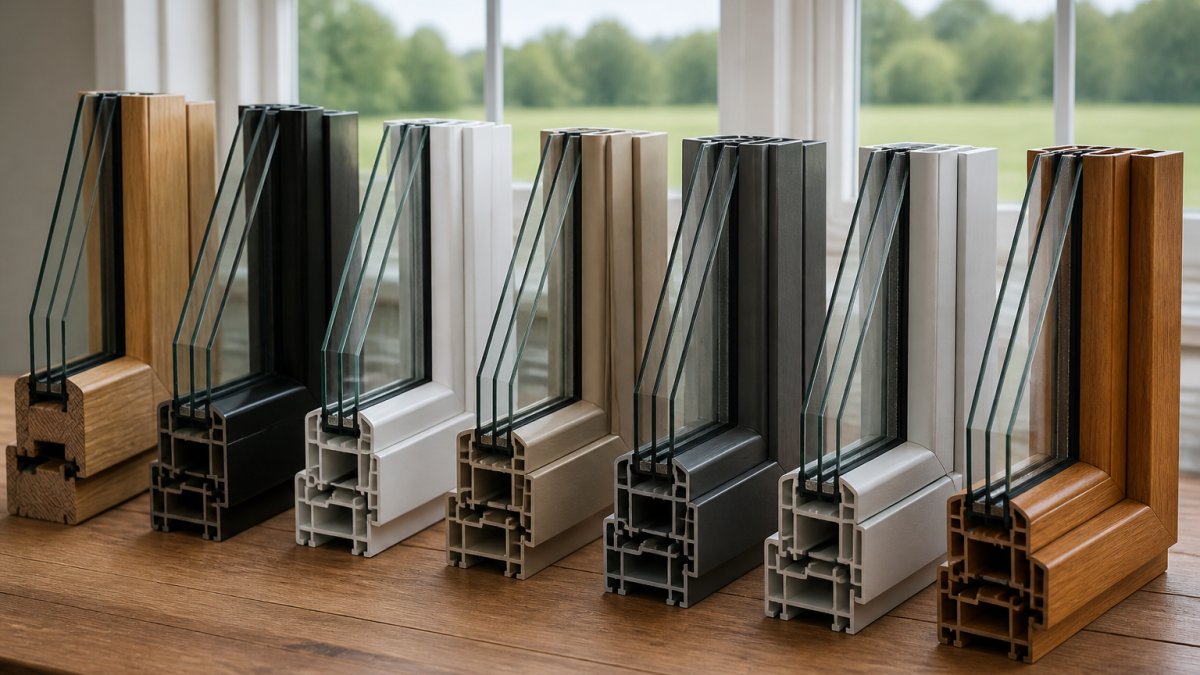
Windows surprise homeowners most. A standard replacement window and a high-performance unit with better glass and insulation are not the same product, and the gap shows up in the invoice and your energy bills.
Labor, Permits, and Hidden Expenses
Labor is usually the largest share of any exterior project. Steep rooflines, multiple stories, and older homes with irregular framing add hours; permits, disposal fees, and structural repairs round out the list. Ask any contractor to break these out separately, if they won't, that's your answer.
Budget a contingency. Homeowners should hold back a reserve for whatever the tear-off uncovers.
Home Exterior Makeover Ideas That Add Lasting Value
The upgrades that return the most value are rarely the flashiest. Curb appeal drives buyer interest, but the projects that hold value are the ones a buyer can see from the street and trust for the long haul, so the makeover must work on two levels: how the house looks, and how the building envelope performs.
Start with the envelope: siding, roof, and windows. These aren't cosmetic. They control how the house manages water, air, and heat. Once those are solid, move to the details that frame them.
Compare Materials by Lifecycle Value, Not Just Looks
Most makeover articles show you a palette. A better exercise is comparing materials on four axes: durability, maintenance, energy performance, and long-term cost. The material that looks best on day one isn't always the one that pays you back.
Upgrade | Typical Lifespan | Maintenance Burden | Energy Contribution | Value Angle |
Vinyl siding | 20-40 years | Low | Limited; some profiles add a thin insulating backing | Lowest upfront cost; resale-neutral |
Fiber cement siding | 30-50 years | Low; repaint on a long cycle | Limited unless paired with a rainscreen | Strong durability story for buyers |
Engineered wood siding | 20-30 years | Moderate; needs periodic refinishing | Limited | Style match for cottage and farmhouse looks |
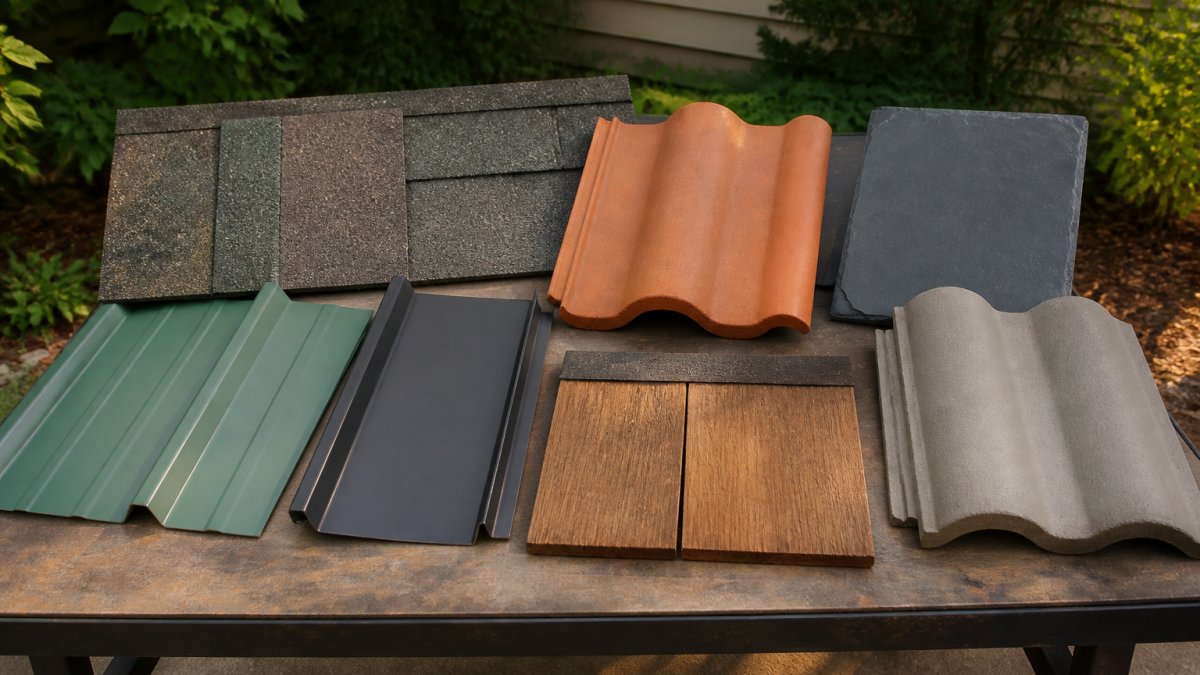
Asphalt shingles | 20-30 years | Low | Reflectivity varies by product line | Budget standard; widely accepted |
Standing-seam metal roofing | 40-70 years | Very low | Reflective finishes can reduce heat gain | Long-horizon value; strong curb presence |
Vinyl replacement windows | 20-30 years | Low | Depends on glass package and frame | Entry point for efficiency upgrades |
Fiberglass or wood-clad windows | 25-40 years | Low to moderate | Better frame thermal performance than standard vinyl | Premium look with efficiency upside |
Fiberglass or steel entry door | 15-30 years | Low | Insulated cores reduce air leakage | High visual impact per dollar |
A common pattern: homeowners who spend the same total budget but shift dollars from a decorative accent toward a better glass package or a proper rainscreen behind the siding end up with a house that looks better and costs less to run.
Curb Appeal Upgrades That Work for Farmhouse Styles
Farmhouse architecture rewards restraint. Board-and-batten siding, deep porches, gable trim, and a consistent palette do more than any statement piece.
Siding: vertical board-and-batten or lap siding in a warm neutral
Trim: crisp white or cream around windows and doors
Doors: a solid wood or fiberglass front door as the focal point
Accents: black or oil-rubbed fixtures and hardware
For historic farmhouses, match the original character rather than overwrite it. We help homeowners select profiles that read as period-appropriate while delivering modern performance.
Don't Skip the Envelope While You're Chasing Curb Appeal
A makeover that ignores the building envelope is a paint job on a leak. Three upgrades do most of the work:
Air sealing. Gaps around window and door rough openings, sill plates, and penetrations let conditioned air escape. Sealing them is inexpensive relative to visual upgrades and compounds every other improvement.
Water management. Flashing at windows, doors, roof-to-wall intersections, and deck ledgers keeps water out of the wall assembly, the single most common failure point on exterior remodels.
Insulation continuity. Rigid insulation behind new siding, or a siding product with integrated insulating backing, reduces thermal bridging through the framing.
Pro Tip If your makeover budget has to be split, put the money into water management and air sealing before decorative trim. Buyers notice a dry, quiet house more than they notice a bracket.
What Actually Moves Resale Value
The upgrades that consistently show up in buyer feedback read as "done and maintained": a roof with remaining life, siding without visible rot or fading, windows that open and close smoothly, and a front entry that looks intentional.
A practical way to prioritize: walk to the curb, turn around, and look at your house the way a buyer would. Whatever looks tired first is usually the highest-return project; whatever looks fine but performs poorly is second, because it shows up in utility bills and inspection reports.
Siding Replacement: Materials, Lifespan, and What to Expect
Siding replacement is the highest-impact exterior remodeling project for most homes. It changes the entire look of the house and, done right, adds insulation that lowers heating and cooling costs.
Material choice drives both lifespan and price:
Material | Typical Lifespan | Maintenance | Best For |
Vinyl | 20-40 years | Low | Budget-conscious projects |
Fiber cement | 30-50 years | Low | Long-term durability |
Engineered wood | 20-30 years | Moderate | Farmhouse and cottage styles |
Wood | 15-30 years | High | Historic restorations |
Installation matters as much as material. Poor flashing and improper fastening cause water intrusion, exactly what siding is supposed to prevent. We install energy-efficient siding that adds up to R3 insulation.
Pro Tip Ask your installer how they handle flashing around windows and doors. It's the least visible part of the job and the most common point of failure. A contractor who can explain their flashing detail in plain language is usually the one who gets it right.
How to Choose an Exterior Remodeling Contractor You Can Trust
The right exterior remodeling contractor is licensed, insured, and willing to put details in writing. Everything else is noise.

We're a veteran-owned company. What matters is workmanship, communication, and whether the company stands behind the job after the final invoice clears.
Run the Selection Like a Project, Not a Popularity Contest
A practical sequence that keeps you from signing the wrong contract:
Define scope before you call anyone. Write down what you want replaced, kept, and what you're unsure about. Contractors bid to the scope you give them; a vague scope produces vague bids that are impossible to compare.
Verify licensing and insurance first, not last. Ask for the license number and a certificate of insurance showing general liability and workers' compensation, then call the issuing body to confirm. Ten minutes eliminates a surprising share of bidders.
Get three written bids on the same scope. If one bidder proposes a different scope, ask why in writing. A cheaper bid that quietly omits flashing, house wrap, or disposal is not cheaper.
Normalize the bids. Compare line by line: material brand and grade, underlayment, flashing detail, disposal, permit responsibility, and warranty terms. Differences here explain most price gaps.
Check recent, local, similar work. Ask for two or three addresses of comparable jobs completed in the last year, and drive by. If a contractor won't provide them, that's the answer.
Read the contract before you sign. Scope, schedule, payment schedule, change-order process, and warranty should all be in writing. A large deposit before materials are ordered is a warning sign.
Questions to Ask Before You Sign
Are you licensed and insured in this state, and can I see the certificate?
Who is the project manager, and how do I reach them?
What is the exact scope, in writing, including flashing and underlayment?
How do you handle concealed damage, and how is it priced?
Key Takeaway The best contractor isn't the cheapest bid. It's the one who answers these questions in writing before you hand over a deposit, and whose bid you can compare line by line against the others.
Red Flags That Show Up Before the Work Starts
A bid that is dramatically lower than the others with no explanation of what was left out.
Pressure to sign the same day, often framed around a "today-only" price.
No physical business address, or a phone number that only reaches a call center.
A request for full payment upfront, or payment in cash with no receipt.
A warranty that is verbal, or written so broadly it commits to nothing.
What a Good Bid Package Looks Like
A comparable bid includes the material brand and product line, underlayment and flashing specification, disposal plan, permit responsibility, schedule, payment milestones, and warranty terms. If a bid is a single number on a page, you're not comparing contractors, you're comparing guesses.
Permits, Codes, and HOA Approvals: What Homeowners Miss
Permits and approvals are the quiet step that stalls projects. Pulling the wrong permit, or skipping one, can force a homeowner to tear out finished work.
Most exterior work requires a permit: roofing, siding replacement, window and door replacement, and structural changes. The U.S. Department of Energy's building energy codes program maintains the model codes many jurisdictions adopt, though your local authority has the final say.
If you live in an HOA, approval runs parallel to permitting. Architectural review boards care about color, material, and profile, so submit before you order materials, approval after the truck arrives is an expensive lesson.
Sequencing Your Exterior Remodeling Project for Best Results
Order of operations determines both cost and quality. Get the sequence wrong and you'll pay twice.
Roofing goes first. It's the top of the envelope, and you don't want crews walking on new siding to reach the roof.
Windows and doors come next, since they interact with siding trim and flashing.
Weather drives scheduling as much as sequence. Roofing and siding need dry conditions; windows and doors can go in most days.
Pro Tip If your project includes both roofing and siding, ask your contractor to schedule them back to back. Overlapping crews on the same elevation create rework and hurt the final result.
Frequently Asked Questions
How much does exterior remodeling cost?
Exterior remodeling cost depends on scope, materials, and labor. A full exterior renovation covering siding, roofing, windows, and doors will cost more than a single-component upgrade. Factors like home size, material grade, and whether structural repairs are needed all shift the number. Pricing is available on the website, and a quote gives you a project-specific figure. Budget-conscious homeowners can ask about financing options to spread the investment over time.
What exterior remodeling projects should I do first?
Start with the projects that protect your home from water damage and energy loss: roofing, then siding, then windows and doors. A failing roof undermines everything below it. Once the envelope is sealed, cosmetic upgrades like gutters and trim deliver the biggest curb appeal return. Sequencing this way prevents rework and keeps your exterior remodeling contractor from tearing out new materials to fix an older problem.
How long does an exterior remodel take?
Timeline varies by project. A roof replacement can be completed in 1-2 days with an efficient crew. Siding replacement typically takes several days to a week depending on home size. Window and door installations run 1-3 days for a standard home. Full exterior renovations combining multiple components may stretch over several weeks. Weather, permit approvals, and material availability all affect scheduling. Ask your contractor for a written timeline before work begins.
Can exterior remodeling improve energy efficiency?
Yes. Upgrading siding with insulated backing, installing energy-efficient windows, and sealing doors reduce air infiltration and improve your home's thermal envelope. The exact savings depend on your current materials, home age, and local climate. Many homeowners see a noticeable drop in heating and cooling bills after a full exterior upgrade. Ask your contractor about insulation values and performance ratings for the specific products they recommend.
GET A QUOTE
Comments