

Home Improvement in Lancaster, PA: A 2026 Guide
Table of Contents
How to Plan a Home Improvement Project in Lancaster, PA
Set Your Scope and Priorities
Build a Realistic Budget
Choosing Home Improvement Contractors in Lancaster County
Licensing, Insurance, and Local Permits
How to Compare Estimates and Vet Bids
Window Replacement for Older Lancaster Homes
What Actually Drives Window Cost
Read the Ratings, Not the Sales Pitch
Installation Is Half the Job
Efficiency, Rebates, and Payback
Roofing, Siding, and Doors: Exterior Upgrades That Protect Your Home
Home Improvement Financing Options for Budget-Conscious Owners
Compare the Cost of Borrowing, Not the Monthly Payment
Match the Term to the Life of the Improvement
Protect Yourself Before You Sign
What Home Improvement Warranties Should Cover
Conclusion: Your Next Steps for a Stress-Free Upgrade
Frequently Asked Questions
Last Updated: October 12, 2026
How to Plan a Home Improvement Project in Lancaster, PA
Most homeowners start a renovation by calling a contractor. That is backwards.
The stakes are higher than most people expect. A renovation touches your largest asset, your daily routine, and your cash flow at the same time.

Below, we break the process into two decisions that drive everything else: scope and budget.
Set Your Scope and Priorities
Project scope is the written list of what will be built, replaced, or repaired, plus what is explicitly excluded. Write it down before you talk to anyone.
A common mistake is bundling everything you want into one phase. Split the work into "must do now" and "can wait." A failing roof is a must. A mudroom refresh is a can-wait.
Build a Realistic Budget
Your budget needs three numbers, not one: the target you want to spend, the ceiling you can actually afford, and a contingency line of 10 to 20 percent for what the walls reveal once they are open.
Pricing depends on materials, scope, and site conditions, so we do not publish a single number that fits every home. Our team walks each property and quotes from what is actually there.
Pro Tip Ask every contractor to quote the same written scope. When bids come back on different scopes, you are not comparing prices, you are comparing guesses.
Choosing Home Improvement Contractors in Lancaster County
Vetting is where homeowners save or lose the most money. A good contractor makes the process boring: clear scope, firm schedule, no surprises. A bad one costs you a season.
Start with three candidates, not ten. Ask each for proof of licensing, insurance, and local permits before you discuss design.
Licensing, Insurance, and Local Permits
Pennsylvania does not license residential contractors statewide, so verification falls to you. Ask for a certificate of insurance showing general liability and workers' compensation, and confirm the policy is current by calling the carrier.
Permits are issued by your township or city, and requirements vary across the county. The Pennsylvania Department of Labor & Industry contractor resources explains state registration requirements for certain trades, and your local code office confirms what your project needs.
How to Compare Estimates and Vet Bids
Line up bids side by side on the same scope, then compare four things: materials specified, labor included, timeline, and payment schedule. A low bid that omits disposal, permits, or trim is not a low bid.
License or registration number verified
Certificate of insurance confirmed with the carrier
Written scope matching yours, line by line
Watch Out Never pay more than a modest deposit upfront. A contractor who demands half the job cost before ordering materials is a cash-flow risk, and if the company folds, you have paid for work that does not exist.
Window Replacement for Older Lancaster Homes
Window replacement is often the highest-return exterior upgrade for aging farmhouses, because old single-pane units leak air and drive up heating bills. The right replacement keeps the original character while improving efficiency and comfort.
Farmhouse owners often worry that new windows will look out of place. They will not, if the frame profile, grille pattern, and trim match the original openings.
What Actually Drives Window Cost
Replacement window pricing is not one number. It moves with four variables:
Opening size and count. A wide farmhouse double-hung costs more than a small fixed unit, and whole-house jobs price per opening.
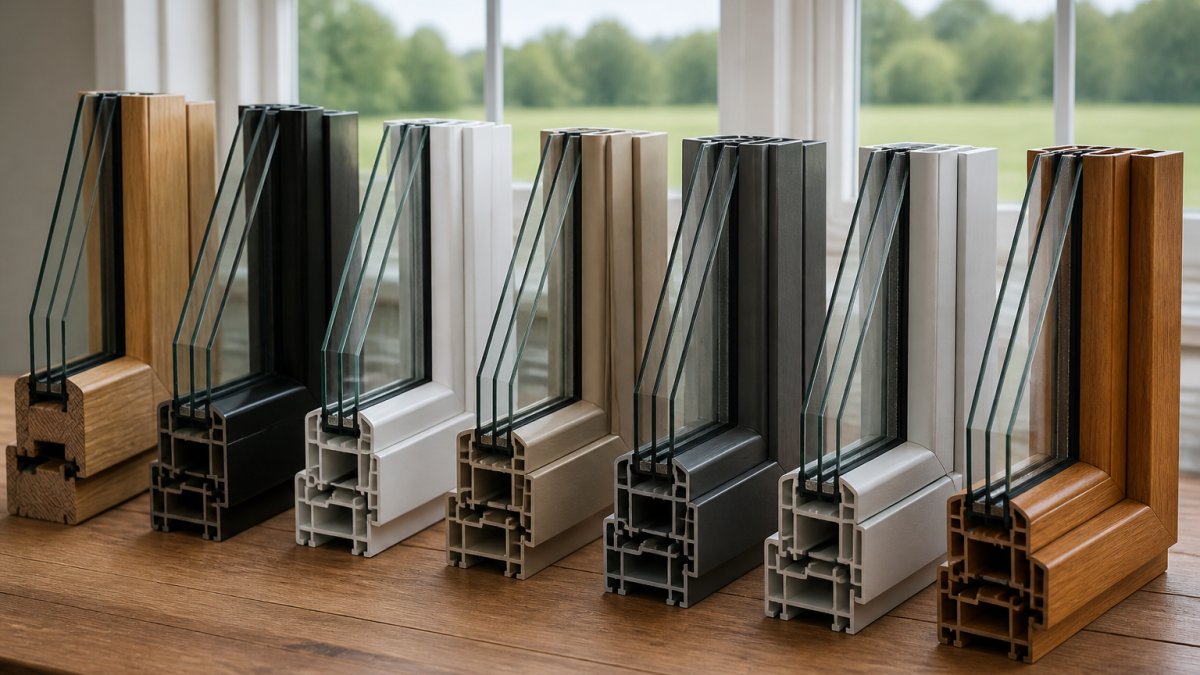
Frame material. Vinyl is the most common budget choice; wood and fiberglass cost more but hold paint and profiles differently.
Glass package. Double-pane with a low-emissivity coating and argon fill is the baseline for efficiency. Triple-pane adds cost and weight and pays back slowly in a mixed climate.
Because those variables swing widely, we do not publish a single price that fits every home. Our team measures each opening and quotes from what is actually there.
Read the Ratings, Not the Sales Pitch
Two labels do most of the work when you compare windows:
U-factor measures how fast heat escapes. Lower is better.
Solar heat gain coefficient (SHGC) measures how much heat from sunlight passes through. In a climate with cold winters and warm summers, you generally want a moderate SHGC rather than the lowest available.
A common mistake is buying the highest-efficiency glass on the market for every opening. On a north-facing wall that never sees direct sun, that premium buys little. Spend the efficiency budget on the west- and south-facing openings where solar gain and heat loss actually show up on your bill.
Installation Is Half the Job
The installation matters as much as the product. Poor flashing and sealing around the opening cause more problems than the window itself. Ask how the installer handles:
Sill pan flashing and drainage at the bottom of the opening
Air sealing between the frame and the rough opening
Exterior trim and caulk details that shed water
Interior trim and any drywall or plaster repair
If a quote does not mention flashing, it is not a complete quote.
Efficiency, Rebates, and Payback
New windows reduce heat loss, but they are one part of a system. Air sealing and insulation usually deliver more savings per dollar than glass alone, which is why the U.S. Department of Energy guidance on home energy efficiency treats the building envelope as a whole. Federal tax credits for qualifying energy-efficient windows have been available in recent years, and utility-run rebate programs vary by provider, so confirm current eligibility before you buy rather than assuming a credit applies.
Priority | Why It Matters | What to Ask |
Glass performance | Cuts heat loss and drafts | What U-factor and SHGC are specified? |
Frame and trim match | Preserves original character | Will profiles match existing openings? |
Installation method | Prevents air and water leaks | How is flashing and sealing handled? |
Warranty terms | Protects your investment | What is covered, and for how long? |
Pro Tip Ask for the U-factor and SHGC in writing on the quote, not just a brand name. Two windows from the same line can carry different ratings depending on the glass package.
Roofing, Siding, and Doors: Exterior Upgrades That Protect Your Home
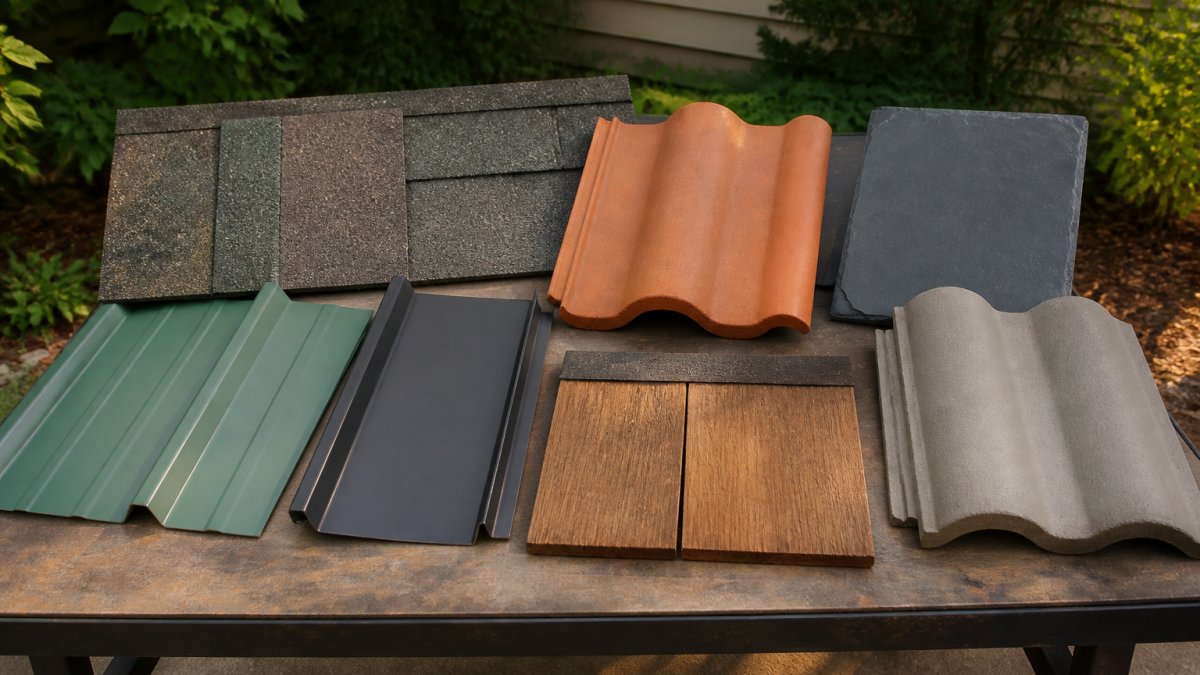
Exterior work is about protection first and looks second. A roof keeps water out, siding shields the structure, and doors control access and security.
Roofing is where speed matters most.
Siding does more than curb appeal. Energy-efficient siding adds insulation value, which reduces heat transfer through the walls.
A common mistake is replacing one exterior element while ignoring the others. New windows in a wall with failing siding still leak.
U.S. Department of Energy guidance on home energy efficiency outlines how insulation, windows, and air sealing work together to reduce energy use, which is why we treat the exterior as one system rather than four separate jobs.
Home Improvement Financing Options for Budget-Conscious Owners
Home improvement financing lets you spread a large exterior project across affordable monthly payments instead of draining savings. That matters when a roof fails without warning and you cannot wait a year to save the full amount. It also matters when you could pay cash but would rather keep an emergency fund intact.
Most homeowners weigh three broad structures:
Unsecured home improvement loan. A fixed rate and fixed term, no collateral pledged. Approval depends on credit, and rates are usually higher than secured options.
Secured loan or home equity line of credit. Tied to your home's equity, often at a lower rate, but your house is on the line and closing costs may apply.
Contractor-offered financing. Convenience and a single point of contact, but the rate and terms are set by the lender behind the program, so read them carefully.
Compare the Cost of Borrowing, Not the Monthly Payment
A low monthly payment can hide a long term and a high total cost. When you compare offers, line up four numbers:
Annual percentage rate (APR). This captures the interest rate plus fees, so it is the fairest single comparison.
Term length. A longer term lowers the payment and raises the total interest paid.
Total finance charge. The dollar cost of borrowing over the life of the loan.
Prepayment penalty. If you plan to pay early, confirm there is no penalty for doing so.
A common pattern is that the offer with the lowest advertised payment is also the offer with the longest term and the highest total cost. Decide which number you are optimizing for before you sign.
Match the Term to the Life of the Improvement
Financing should track the useful life of what you are buying. A roof that lasts decades can reasonably be financed over a longer term than a repair with a shorter lifespan. Stretching a short-lived repair over a long term means you are still paying for it after it has been replaced.
Protect Yourself Before You Sign
Get the terms in writing: APR, term, monthly payment, and total finance charge.
Confirm whether the loan is secured by your home.
Ask whether the lender pays the contractor directly or reimburses you.
Check that the payment schedule ties to project milestones, not a large upfront deposit.
We offer financing options so essential exterior work does not stall on timing. Ask for the terms in writing before you sign: interest rate, term length, and whether there is a prepayment penalty.
Key Takeaway Match the financing term to the life of the improvement, and compare offers by APR and total finance charge, not by the monthly payment alone.
What Home Improvement Warranties Should Cover
A warranty is only as good as the company standing behind it. Read the document before you sign the contract, and confirm what is covered, for how long, and who performs the repair.
Strong warranties typically cover two things: the product itself and the workmanship of installation.
We back our work with strong warranties and stay reachable after the job is done. That is the difference between a contractor who disappears and one you can call.
Conclusion: Your Next Steps for a Stress-Free Upgrade
The homeowners who avoid renovation stress are not the ones who spend the most. They are the ones who write a scope, set a real budget, vet their contractor, and confirm permits before work begins.
If your next upgrade is exterior work, Xperienced can help. We are a veteran-owned company offering expert installation by highly trained professionals, premium products like Regency Plus windows, quick one-to-two-day roofing installs, and energy-efficient siding that adds up to R3 insulation.
Get a quote from Xperienced and start your upgrade with a clear scope, a firm schedule, and a team that stands behind the work.
Frequently Asked Questions
How do I choose a home improvement contractor in Lancaster, PA?
Start by verifying Pennsylvania licensing and insurance, then ask for local references from projects similar to yours. Get at least three written estimates that break down materials and labor. Check reviews on Google and the Better Business Bureau, and confirm the contractor has experience with Lancaster County building codes. A veteran-owned company like Xperienced can provide proof of credentials and a clear scope of work before you sign anything.
What exterior home improvements add the most value?
Window replacement, roofing, and siding consistently deliver strong returns because they improve energy efficiency and curb appeal. In older Lancaster homes, replacing single-pane windows with energy-efficient models and adding insulated siding can reduce heating and cooling costs. These upgrades also protect against moisture and pests, which matters for historic farmhouses. Focus on projects that address both function and appearance for the best resale impact.
How much does exterior remodeling cost in Lancaster County?
Costs vary widely based on project scope, materials, and home age. A full roof replacement, window package, or siding installation each has its own price range. Xperienced offers competitive pricing and financing options. Request a free estimate to get accurate numbers for your specific home. Avoid contractors who give vague verbal estimates without a written breakdown.
What financing options are available for home improvement projects?
Many contractors, including Xperienced, offer flexible financing plans that let you spread payments over time. Options may include unsecured home improvement loans, secured loans, or contractor-specific payment plans. Ask about interest rates, terms, and whether there are prepayment penalties. Financing makes sense for essential repairs like roofing or window replacement, especially if you plan to stay in your home long enough to recoup energy savings.
GET A QUOTE

Comments