

Home Improvement in Lebanon, PA: 2026 Planning Guide
Table of Contents
How to Plan a Home Improvement Project in Lebanon, PA
Define the Scope Before You Call Anyone
Permits, Inspections, and Local Requirements
What Exterior Remodeling Cost Looks Like for Local Homes
Build a Realistic Budget Range
Where the Money Actually Goes
Cost Drivers Specific to Older Local Homes
Window Replacement: What to Check Before You Sign
Roof Replacement Timelines and Disruption Planning
Home Improvement Financing Options That Fit a Tight Budget
How to Vet and Compare Contractors
Which Exterior Upgrades Add the Most Value
Frequently Asked Questions
Last Updated: October 17, 2026
How to Plan a Home Improvement Project in Lebanon, PA
A successful home improvement project starts with a written scope, a realistic budget, and a clear understanding of what local permits require before anyone swings a hammer. The fix is simple: plan the work in the right order, and the rest of the project gets easier.

Define the Scope Before You Call Anyone
Write down what you want changed, what you want kept, and what you are willing to spend. A vague wish list invites vague bids, and vague bids invite change orders. Decide whether the project involves layout changes or a straight replacement. Replacement work moves faster and costs less because it skips plumbing, electrical, and framing surprises. Custom work looks better on paper but adds weeks and dollars. Nail down the scope first, then call contractors.
Permits, Inspections, and Local Requirements
Most structural, electrical, plumbing, and roofing work requires a permit and at least one inspection. Your local code office can confirm which projects need approval and what drawings they expect. Skipping the permit can force a tear-out later, and it can complicate a future sale. Ask each contractor whether the bid includes permit fees and inspection scheduling. A reputable home remodeler will say yes without hesitation.
Watch Out Starting work before the permit is issued can trigger a stop-work order, and re-inspection fees usually land on the homeowner, not the contractor. Confirm the permit is posted before demolition day.
What Exterior Remodeling Cost Looks Like for Local Homes
Exterior remodeling cost depends on square footage, material grade, and how much hidden damage the crew finds once the old siding or shingles come off. Two houses on the same street can land far apart on price for that reason. What most local guides never give you is a working range to plan against, so here is how to build one yourself and where the money actually goes.
Build a Realistic Budget Range
Start with a per-square-foot or per-unit planning figure, then adjust for the age and condition of your house. A common pattern among contractors in this region is to quote roofing by the "square" (100 square feet of roof surface), windows by the unit plus trim and labor, and siding by the square of wall area. Ask each bidder for their unit pricing so you can compare apples to apples instead of lump sums.
Roof replacement: priced per square; steeper pitches, multiple layers of tear-off, and complex rooflines raise the per-square number. Add for decking replacement if rot is found.
Window replacement: priced per unit; frame material (vinyl vs. wood-clad), glass package (double vs. triple pane, low-E), and whether interior trim and exterior flashing are included swing the total significantly.
Siding: priced per square of wall area; removal of old material, house wrap, insulation board, and trim details all add line items.
Entry and patio doors: priced per unit; custom sizes, sidelights, and structural widening cost more than a straight swap.
Use those unit prices to sanity-check bids. If one quote is dramatically lower, ask what is excluded, disposal, permits, trim, or warranty, because that is usually where the gap hides.
Where the Money Actually Goes
Materials: shingles, siding panels, windows, doors, trim, and fasteners
Labor: tear-off, installation, and cleanup crews
Disposal: dumpster rental and landfill fees
Permits and inspections: usually a modest line item, but never zero
Contingency: set aside a cushion for rot, water damage, or code corrections
Ask each bidder to break the estimate into those categories. A single lump-sum number tells you nothing about value. Pricing for our work depends on the scope and materials you choose, and current details are available on our website so you can compare before you commit.
Pro Tip Get three written estimates on the same written scope. When the scopes match, the prices become comparable; when they don't, you have found the real reason one bid looks cheaper.
Cost Drivers Specific to Older Local Homes
Houses built before the 1980s often carry surprises that a walkthrough cannot fully reveal: layered roofing, undersized framing, aluminum wiring, or siding installed over original wood clapboard. Budget a contingency of roughly 10 to 20 percent of the project total for these unknowns, and ask the contractor to photograph the decking or sheathing after tear-off so any change order is documented. Financing can spread a necessary exterior project over time, but compare the annual percentage rate and term before you sign, see the financing section below.
Window Replacement: What to Check Before You Sign
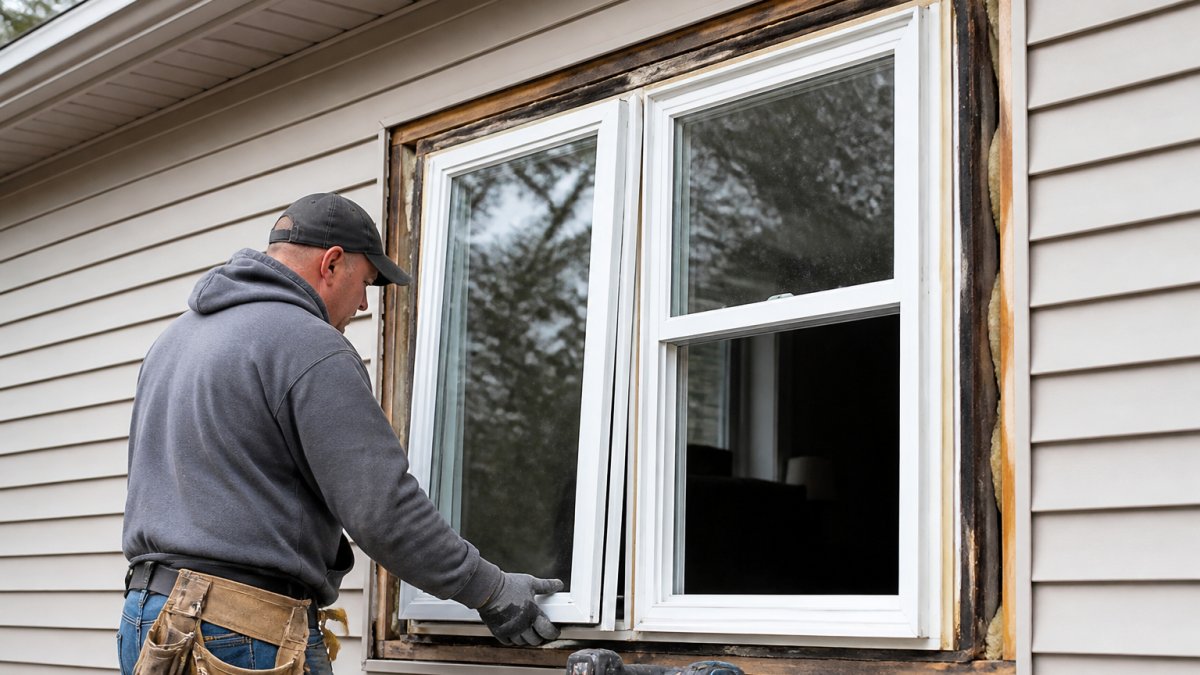
Window replacement is the upgrade homeowners ask about most, and the details decide whether it pays off. Check the glass package, the frame material, and the installation method. A cheap window installed poorly performs worse than a mid-grade window installed right.
Ask three questions before signing:
Does the quote cover trim, flashing, and interior finish, or just the units?
What is the warranty on the glass versus the labor?
Will the crew remove and dispose of the old windows?
Historic farmhouses need extra attention. Original trim profiles and window proportions carry the character of the house, and a good installer will match them rather than flatten them. Our team handles Regency Plus windows.
Roof Replacement Timelines and Disruption Planning
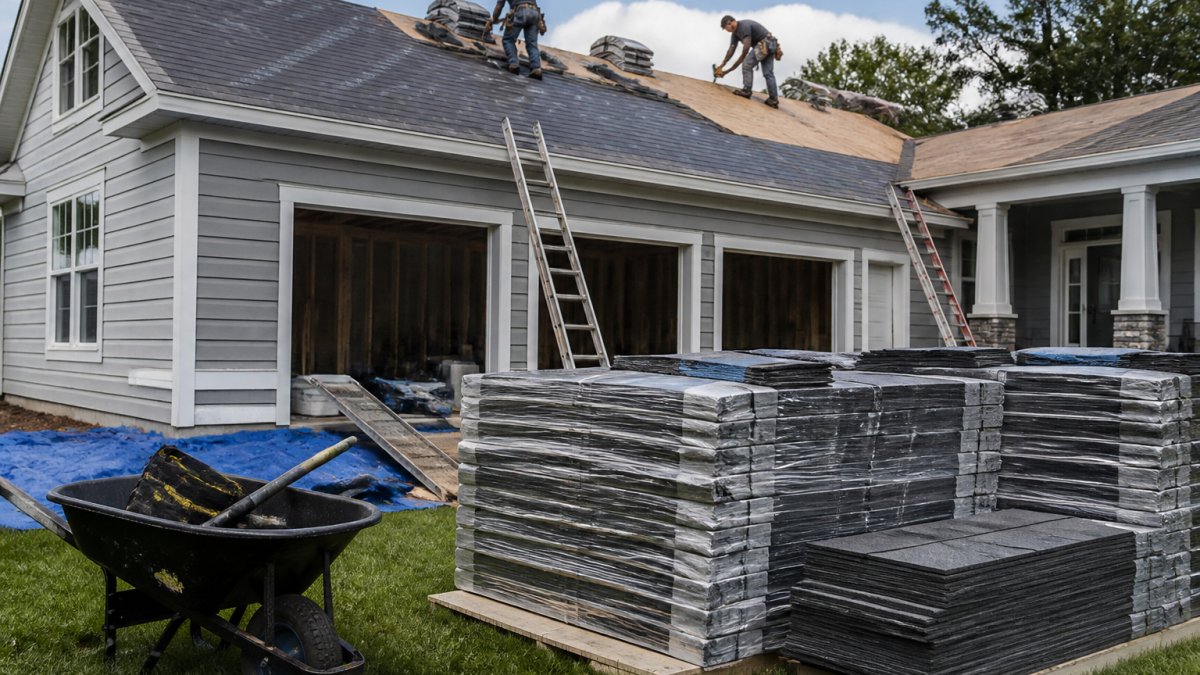
A straightforward roof replacement on a typical home takes one to two days with a full crew, weather permitting. Structural repairs, multiple layers of old shingles, or complex rooflines stretch that timeline. Plan for noise, driveway access, and pets that dislike strangers on the roof.
Protect the interior before the crew arrives. Move fragile items off shelves near exterior walls, cover furniture in the attic, and park cars on the street. Ask the contractor how they protect landscaping and where the dumpster will sit. A written schedule with a start date, daily work hours, and a completion target keeps everyone honest.
Pro Tip Ask the contractor to photograph the decking after tear-off and send you the images before new shingles go down. It takes them two minutes and settles any later dispute about hidden rot.
Home Improvement Financing Options That Fit a Tight Budget
Home improvement financing lets you spread an essential exterior project over time instead of draining savings in one hit. Common routes include contractor-offered installment plans, home equity loans, and secured personal loans. Compare the annual percentage rate, the term length, and any prepayment penalty before you sign.
A tight budget does not have to mean a cheap roof. Financing exists so you can choose durable materials now rather than repeat the job in a decade. We offer financing options on our exterior work, and we will walk you through the terms in plain language. Never accept a financing plan you cannot explain back to a friend.
How to Vet and Compare Contractors
Contractor comparison comes down to four checks: license and insurance, written scope, references, and warranty terms. Ask for a certificate of insurance and confirm it is current. Call two past customers and ask whether the crew showed up on schedule and cleaned up afterward. Read customer reviews, but weight the detailed ones over the one-liners.
Key Takeaway The cheapest bid is rarely the best value. Compare what each contractor includes, not just what they charge, and favor the bid with the clearest scope and the strongest warranty.
Look for full-service capability, clear communication, and a written warranty you can actually read. The FTC guidance on home improvement scams is worth ten minutes before you sign anything.
Which Exterior Upgrades Add the Most Value
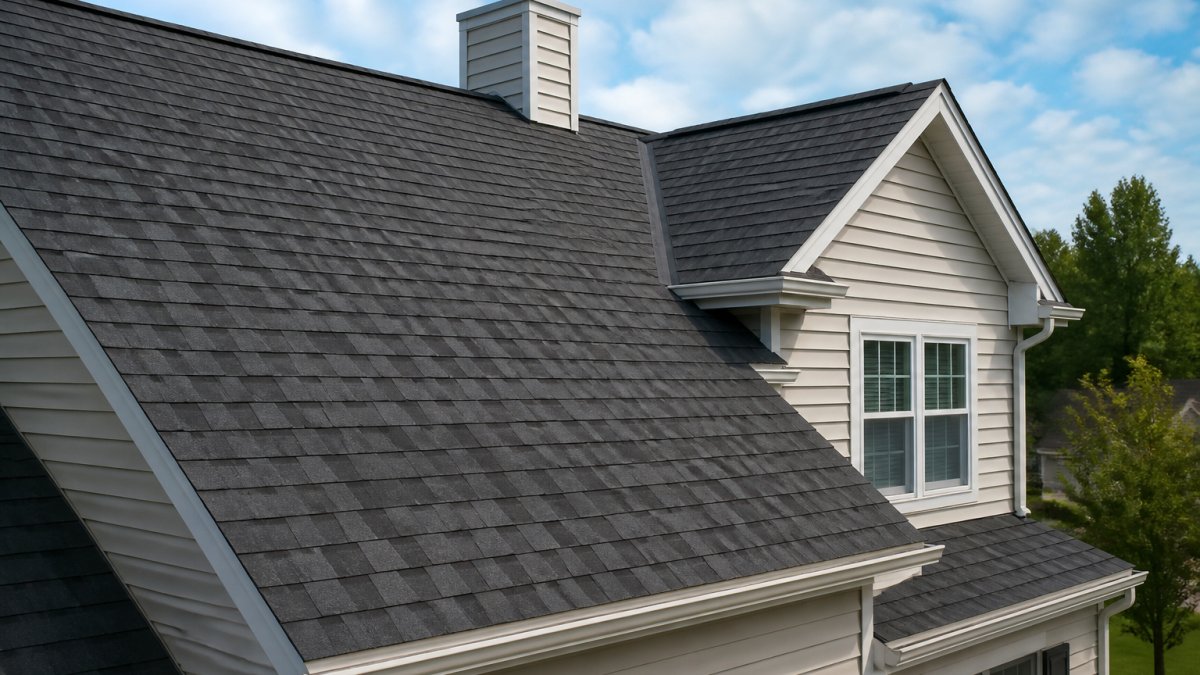
Roofing, siding, and windows return the most on resale because buyers price them into the offer immediately. Energy-efficient siding that adds insulation value also trims heating and cooling bills over time, which matters in older homes with thin walls. Doors improve security and curb appeal at once, and they are one of the faster projects to complete.
Upgrade | Typical Timeline | Main Benefit | Best For |
Roof replacement | 1-2 days | Weather protection, resale value | Aging or leaking roofs |
1-3 days | Energy efficiency, comfort | Drafty or single-pane windows | |
Siding | 3-5 days | Insulation, curb appeal | Faded or damaged exteriors |
Entry doors | 1 day | Security, appearance | Older or drafty entries |
Homeowners planning a home improvement project in Lebanon, PA should sequence these upgrades by urgency, not by wish list. Fix the roof first if it leaks. Then tackle windows and siding together to save on scaffolding and labor.
Frequently Asked Questions
How do I choose a home improvement contractor?
Start with three written estimates that itemize materials, labor, and cleanup, not one lump sum. Ask each contractor for proof of insurance, a sample warranty, and two recent jobs you can drive past. Confirm who pulls the permit and who handles inspections. Then check reviews for complaints about callbacks, not just price. A contractor who answers questions about scheduling and warranty service in writing is usually the safer pick for a home improvement project.
How much should I budget for an exterior remodel?
Budget depends on scope, materials, and how much structural repair turns up once walls or shingles come off. Set a contingency of 10 to 20 percent on top of your quoted number, because older homes often hide rotted sheathing or framing. Get a line-item estimate so you can see what each phase costs, and ask the contractor what triggers a change order. Pricing for specific services is available on the Xperienced website or through a free quote.
How long does a typical exterior remodeling project take?
Window replacement on a standard house often finishes in one to two days. Roof replacement can be completed in one to two days when the decking is sound; structural repairs add time. Siding typically runs several days to a couple of weeks depending on square footage and trim work. Ask for a written schedule with a start date, daily work hours, and a plan for weather delays. Confirm how materials get staged and where crews park.
Which exterior upgrades can improve a home's energy efficiency?
Windows, siding, and doors do most of the work. Double-pane windows with low-E glass cut heat transfer, and insulated siding adds a measurable layer of thermal resistance, up to about R3 depending on the product. Sealing air leaks around frames and thresholds matters as much as the product itself. Ask your contractor for the product's performance ratings and how they plan to air-seal during installation. Then compare utility bills across a full heating and cooling season.
The hardest part of any exterior project is trusting the crew you hire. Xperienced is a veteran-owned company that installs windows, roofing, doors, and siding with premium materials, quick one-to-two-day roof installs, and strong warranties on every job. Get a quote from Xperienced and start your upgrade with a team that shows up and finishes on schedule.
GET A QUOTE
Comments